
Choosing Your WBFF Category: Diva and Men's Divisions Compared


Choosing a category is the first real decision of any competition preparation, and it shapes everything that follows: how you train, how lean you aim to be, what you wear and what the judges expect to see. WBFF Australia runs four diva divisions, three men's divisions and the Transformation Makeover, and the differences between neighbouring categories can look subtle on paper. This guide compares them side by side, using the wording of the official criteria, to help you find the line-up where your physique belongs.
Start with the look, not the label
The most common mistake is to pick the category that sounds most appealing and then try to force a physique into it. The WBFF criteria work the other way around. Each division describes a look, and the judges reward the competitor who best matches it. Being more muscular or leaner than the description is not an advantage. A useful first step is to take honest photos in good light, front, side and back, and compare what you see with the descriptions on the categories page.
The four diva categories
The diva divisions run along a spectrum of muscle and definition. All four perform a T-walk in both the morning and evening shows and quarter turns for the judges, all wear a two-piece bikini with no G-string or pro-cut bottoms, and all are assessed on overall beauty, confidence and marketability. What changes is the physique.
Diva Bikini Model
The Diva Bikini Model rounds are based on symmetry, body tone and overall beauty, with glamorous presentation, confidence and marketability. This is the softest of the four looks: toned and balanced without visible hard definition. The evening show adds an evening gown round in a floor-length, classy and elegant gown with a runway-style presentation. There are over 35 and over 40 age categories as well, with proof of age required at registration. Note that the over 40 category is exclusive to the Gold Coast and Sydney shows and is not held at the end of year Pro/AM.
Diva Wellness Model
The Diva Wellness Model division sits between Diva Bikini Model and Diva Fitness Model, with a focus on a fuller but firm lower body. The criteria are specific: the contestant should not be overly developed muscularly or overly lean, the focus is on shape and tone, and the body should be free of muscle separation. Skin tone should look smooth and healthy. Like bikini, the evening round is an evening gown, described here as floor length and fitted in style.
Diva Fitness Model
Diva Fitness Model asks for symmetry, tone, definition and an athletic appearance. The key sentence in the criteria is that fitness models should be evenly balanced from top to bottom in both muscle tone and definition. Compared with bikini, the judges expect to see more visible shape through the shoulders, back and legs. The evening round changes too: instead of a gown, fitness models compete in theme wear, a creative and glamorous round with an award for the best theme wear of the show. Over 35 and over 40 age categories are listed for this division.
Diva Figure Model
Diva Figure Model is for competitors with more muscle and definition than bikini or fitness models, without the extreme muscle of a physique competitor. The rounds are based on symmetry, definition, muscle tone, presentation, confidence, marketability and overall beauty, and the criteria note that figure models display a stronger look. There are no height or weight restrictions in this category. Figure models also compete in the theme wear round at the evening show.
The three men's categories
The men's divisions follow the same logic, stepping up in muscle size. All three wear square-cut shorts for both the morning and evening shows (plain or patterned, with no advertising), all perform a T-walk and quarter turns, and none has a weight limitation. Poise, posture, grooming and the ability to present in a marketable manner are named in the criteria for each.
Men's Fitness Model
The Men's Fitness Model category is for competitors who display an athletic and defined physique without holding as much muscle as a muscle model competitor. Judging is based on symmetry, tone and an athletic appearance. At the evening show, fitness models also compete in an evening wear round in formal attire, judged on masculine style, marketability and stage presence.
Men's Physique Model
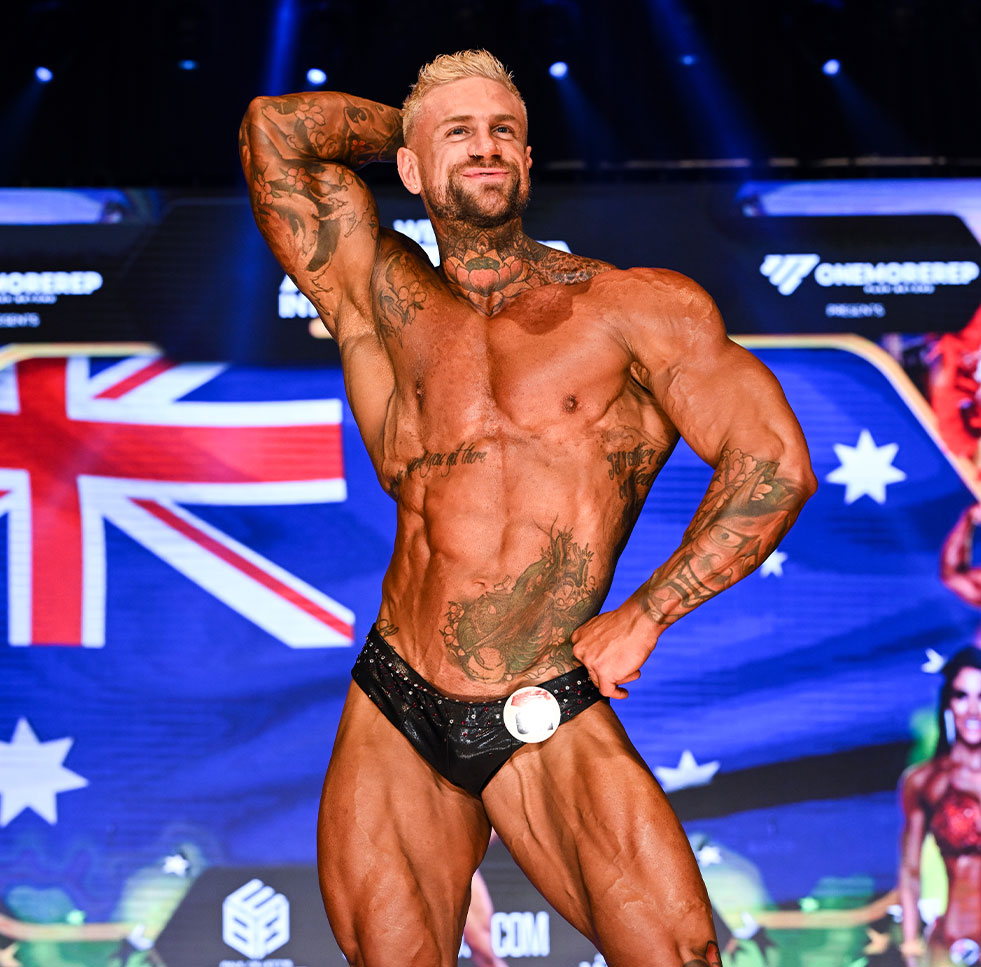
Introduced as a new division for 2023, Men's Physique Model fills the gap in the middle. It is for the athlete who is too big to be considered a fitness model, with rounder muscle bellies, but who does not display the degree of muscle size of a muscle model. The description asks for a lean, round, muscled, well-proportioned body that projects a fit and healthy lifestyle, judged on overall physique, conditioning, symmetry and muscle definition. Physique models have an evening wear round in formal attire as well. The criteria also note that contestants may choose to cross over into the fitness or muscle model category if they wish.
Men's Muscle Model
Men's Muscle Model is for athletes who are too muscular for a fitness or physique model. The judging rounds are based on symmetry, definition, muscular development and an athletic, muscular, appealing physique. Size alone is not the goal: the criteria state that muscle models must present an appealing and marketable look, and competitors are marked on physique, stage presence and overall marketability.
Transformation Makeover: a different kind of category
The Transformation Makeover division is not judged on the same physique ladder. It exists to celebrate people who are still making their way on the journey to a healthier lifestyle, and competitors are judged on their personal story and physical transformation. Entrants supply a typed bio of no more than 80 words and up to three good-quality before photos for the judges to review, and the show MC shares the main points of the journey while the competitor performs a T-walk. Your transformation can be anywhere from recent months to several years prior. This division is held at the Gold Coast and Sydney shows and is not included in the Pro/AM.
Considering a crossover
If you sit on the border between two divisions, you do not necessarily have to choose. The competitor FAQs confirm that contestants can do crossovers, and registration offers one-category and two-category options. You use the same competitor number for both. A crossover makes the most sense between neighbouring categories, such as fitness and physique for the men. Keep in mind that two categories can mean two different evening rounds to prepare for, and that an additional category can only be added up until registration closes, one week before the show.
Practical points before you register
- Measure your height. Several diva categories use height classes, and height classes and categories cannot be changed after registration closes.
- Check your age class. Every competitor must be at least 18. Over 35 and over 40 options exist in some diva divisions, with proof of age required.
- Check the show. Not every category runs at every event, so confirm the category list for your show before you commit.
There is no qualifying requirement for amateur competitors at any Australian show, so the choice really does come down to fit. Pick the category that describes the physique you have, or can realistically build by show day, and prepare for that look with total commitment.